REO Property Inspections and Repairs: A Buyer's Guide
REO Property Inspections and Repairs: What Buyers Should Understand
Real estate-owned (REO) properties can offer buyers another option when searching for a home or investment property. An REO property is generally a property that has gone through foreclosure and is now owned by a lender or another financial institution.
In Northeast Arkansas, buyers may encounter REO listings in markets such as Paragould, Jonesboro, Greene County, and Craighead County. As with any real estate purchase, understanding the property's condition is essential before making a decision.
REO properties may have different maintenance histories and purchase requirements than other homes. Some may need only routine maintenance, while others may require significant repairs. Buyers should evaluate each property individually rather than assuming all bank-owned homes are alike.
1. Understand the Property's Current Condition
One of the first steps when considering an REO property is determining its current condition.
Depending on how the property was maintained before foreclosure and how long it has been vacant, it may have deferred maintenance, damaged materials, outdated systems, or other concerns. However, vacancy does not automatically mean a property has serious problems.
During an initial viewing, pay attention to visible signs that may warrant further investigation, including:
-
Water stains on ceilings or walls.
-
Damaged flooring or missing fixtures.
-
Cracks or other visible concerns involving walls or foundations.
-
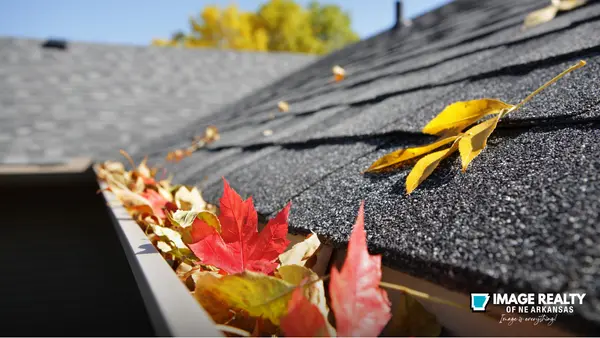
Roof damage or missing shingles.
-
Signs of moisture, mold-like growth, or musty odors.
-
Damaged windows, doors, or exterior siding.
-
Overgrown landscaping or drainage concerns.
A showing provides only a limited view of a property's condition. Visible issues may indicate a need for further evaluation, while some problems may not be apparent without a professional inspection.
Avoid making repair-cost assumptions based solely on photographs or a brief walkthrough.
2. Schedule a Professional Home Inspection
A professional home inspection can help buyers better understand a property's observable condition and identify issues that may require additional evaluation.
Before making an offer, ask whether the seller permits an inspection and whether the purchase contract includes an inspection period or other relevant conditions. Requirements vary by seller and transaction, so buyers should review the actual terms rather than assume a particular inspection arrangement will be allowed.
Depending on the property's condition, an inspection may evaluate visible and accessible components such as:
-
Roofing and drainage systems.
-
Foundation and structural components.
-
Plumbing and electrical systems.
-
Heating and cooling equipment.
-
Windows, doors, and insulation.
-
Attic and crawl-space conditions, where accessible.
-
Signs of moisture intrusion or other visible damage.
A general home inspection does not guarantee that every defect will be discovered. Some conditions may require a specialist, such as a licensed electrician, plumber, roofing contractor, structural engineer, or pest-control professional.
If the property has been vacant for an extended period, ask the inspector whether limited utility service or inaccessible areas affect the scope of the inspection.
3. Find Out Whether Utilities Are Operational
A vacant property may have disconnected electricity, water, gas, or other utilities. Without operational services, certain systems may not be fully evaluated during an inspection.
Before moving forward, determine which utilities are available and whether they can be activated for inspection purposes.
Questions to ask include:
-
Is electricity currently connected?
-
Is the water supply operational?
-
Is the heating and cooling system able to run?
-
Have plumbing systems been winterized or otherwise shut down?
-
Are there known concerns involving pipes, leaks, or equipment?
-
Will the seller permit utilities to be activated for inspections?
In Arkansas, periods of freezing weather can create additional concerns for properties with inactive plumbing systems. Buyers should not assume pipes, water heaters, or other equipment are undamaged simply because no active leak is visible.
If utilities cannot be activated, ask the appropriate professionals what limitations this creates and whether additional evaluation may be possible later.
4. Understand As-Is Sales and Repair Requirements
Some REO properties are marketed or sold in as-is condition. This generally means the seller is not agreeing to make certain repairs as part of the sale, but the exact meaning and obligations depend on the purchase contract and applicable law.
An as-is listing does not eliminate the need for buyers to understand the property's condition. It also does not automatically resolve questions about required disclosures, inspection rights, or other legal obligations.
Before making an offer, review:
-
Whether the seller requires an as-is purchase.
-
Whether inspections are permitted.
-
Whether the contract allows cancellation or other remedies under specified conditions.
-
Whether repair requests will be considered.
-
Whether the seller uses its own addenda or contract requirements.
-
Which responsibilities fall to the buyer before and after closing.
Do not assume that a lender-owned seller will make repairs, negotiate based on inspection findings, or allow contract changes. Those details depend on the specific seller and agreement.
For questions about contractual rights or legal obligations, consult an Arkansas real estate attorney.
5. Estimate Repair Costs Before Committing
Repair expenses can influence whether an REO property fits your budget. A home with a lower asking price may still require substantial spending before it is ready for occupancy or rental use.
Potential repair categories include:
Roofing and exterior: Roof replacement or repairs, siding, gutters, exterior doors, and windows.
Mechanical systems: Heating and cooling equipment, plumbing, electrical components, and water heaters.
Interior repairs: Flooring, drywall, painting, cabinetry, fixtures, and damaged finishes.
Moisture and drainage: Correcting water entry, addressing drainage issues, or repairing damage associated with moisture.
Safety and code-related work: Repairs or updates that may be required for the intended use, permits, or applicable local requirements.
When possible, obtain written estimates from qualified contractors for significant work. Ask whether the estimate includes labor, materials, permits, cleanup, and potential additional expenses if hidden damage is discovered.
Consider keeping a contingency amount available for unexpected repairs. Older or neglected properties can have conditions that are not fully apparent until work begins.
6. Look Beyond Cosmetic Improvements
Fresh paint, new flooring, and updated fixtures can improve a home's appearance, but cosmetic improvements should not take priority over important structural, mechanical, or safety concerns.
Before focusing on finishes, determine whether the property has significant problems involving its roof, foundation, electrical system, plumbing, or water intrusion.
A useful order of evaluation is:
-
Identify potential safety concerns.
-
Evaluate major structural and water-related issues.
-
Assess essential systems and equipment.
-
Estimate necessary repairs.
-
Consider cosmetic updates and optional improvements.
The appropriate priorities will depend on the property's condition and your intended use. A home intended for immediate occupancy may require different preparation than a property undergoing a longer renovation.
7. Consider Financing and Insurance Early
The condition of an REO property may affect financing and insurance options.
Some mortgage programs have property-condition requirements. Significant damage, missing utilities, or safety concerns may affect whether a property qualifies for a particular loan program. Buyers should not assume that every home is eligible for every type of financing.
Before making an offer, discuss the property with your lender and ask whether its current condition could affect loan approval, appraisal requirements, or the closing timeline.
Insurance availability and cost may also depend on the home's condition, location, occupancy plans, and other property-specific factors.
If the home needs extensive repairs, ask your lender and insurance professional about available options and any requirements that must be satisfied before closing or occupancy.
8. Evaluate the Total Cost of Ownership
The purchase price alone does not show the full financial commitment involved in buying an REO property.
Before deciding whether to proceed, estimate the combined cost of:
-
The purchase price and closing costs.
-
Inspections and any specialist evaluations.
-
Immediate repairs needed for the intended use.
-
Utility activation and service costs.
-
Insurance and property taxes.
-
Ongoing maintenance.
-
Renovation permits or professional services, where required.
-
A contingency for unexpected expenses.
For buyers considering an REO property as a rental or investment, evaluate costs carefully and avoid assuming that future rent, appreciation, or resale proceeds will cover the expenses.
A realistic budget can help you compare the property with other available homes and determine whether the risks and responsibilities fit your circumstances.
9. Work With Professionals Who Understand the Process
REO transactions may involve a lender, asset manager, servicing company, or other representative who handles the property on the seller's behalf. Communication and response times can differ from those in a typical owner-occupied sale.
A real estate professional familiar with REO transactions can help you understand the offer process, organize questions, and track deadlines. Inspectors and contractors can help evaluate property condition and estimate repair needs, while lenders, insurers, title professionals, and attorneys can address their respective areas of expertise.
Before submitting an offer, make sure you understand the seller's instructions, required documents, deposit requirements, deadlines, and contract terms.
The goal is not simply to purchase a property. It is to understand the condition and obligations associated with the purchase before committing.
Make an Informed REO Purchase in Northeast Arkansas
REO properties can provide another path for buyers exploring real estate in Paragould, Jonesboro, Greene County, Craighead County, and surrounding Northeast Arkansas communities. However, each property has its own condition, requirements, and potential expenses.
Before making an offer, investigate the property's condition, confirm inspection opportunities, understand the seller's terms, estimate necessary repairs, and review financing and insurance considerations.
Image Realty can help buyers explore available properties and navigate the real estate process. For specialized questions about structural conditions, repair costs, financing, insurance, or legal obligations, consult the appropriate qualified professionals.
Categories
Recent Posts